

 Image 1 of 5
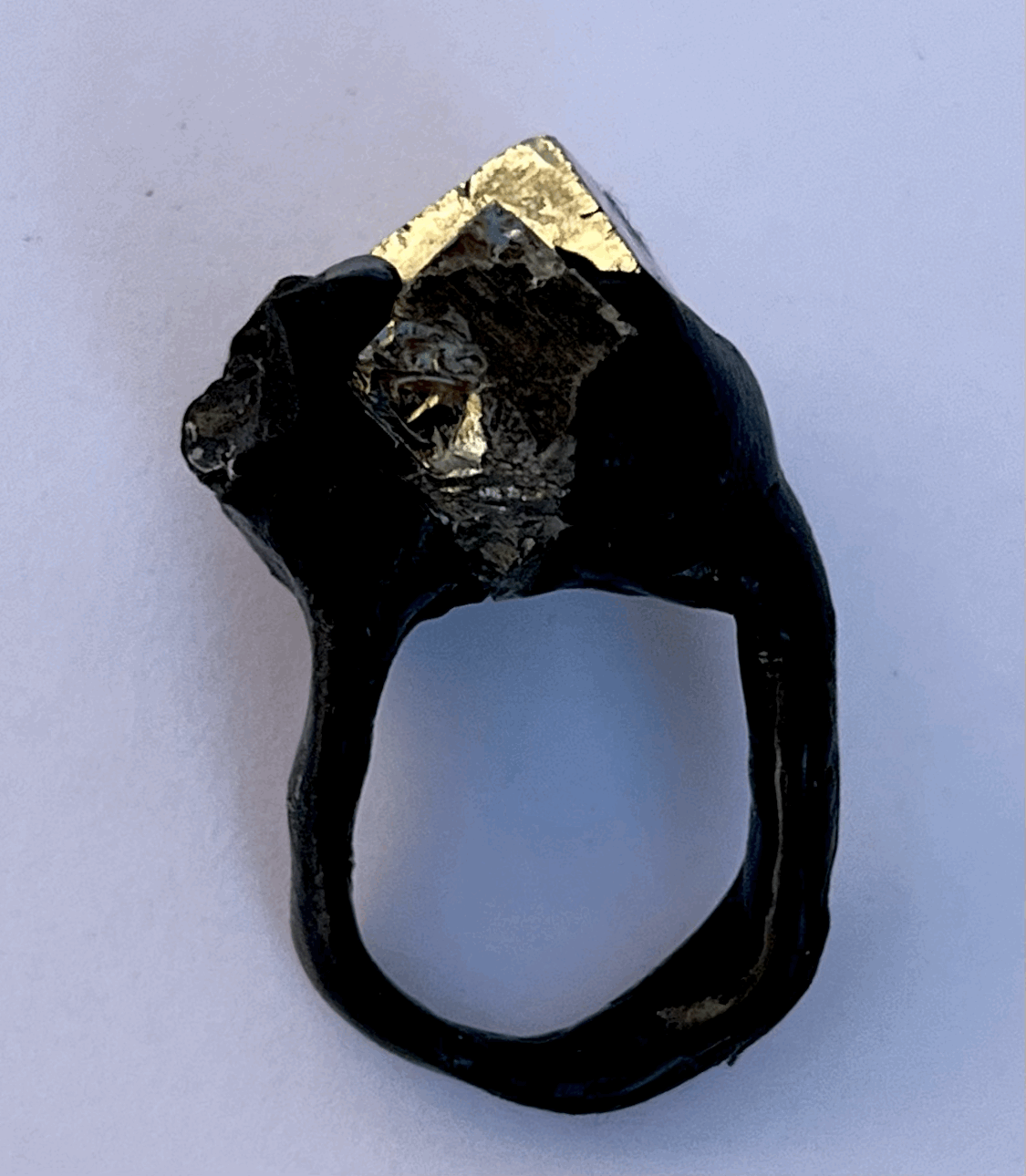 Image 2 of 5
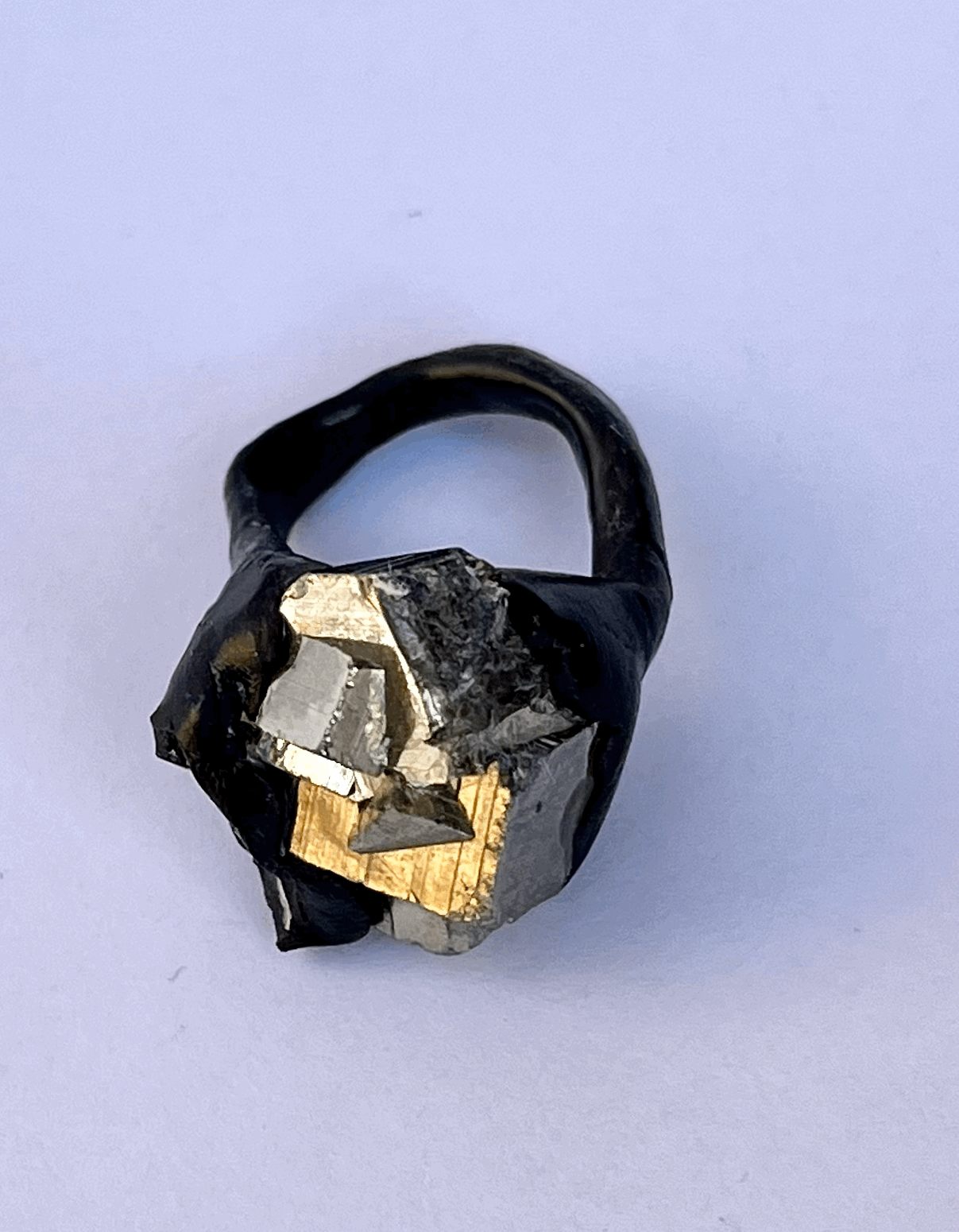 Image 3 of 5
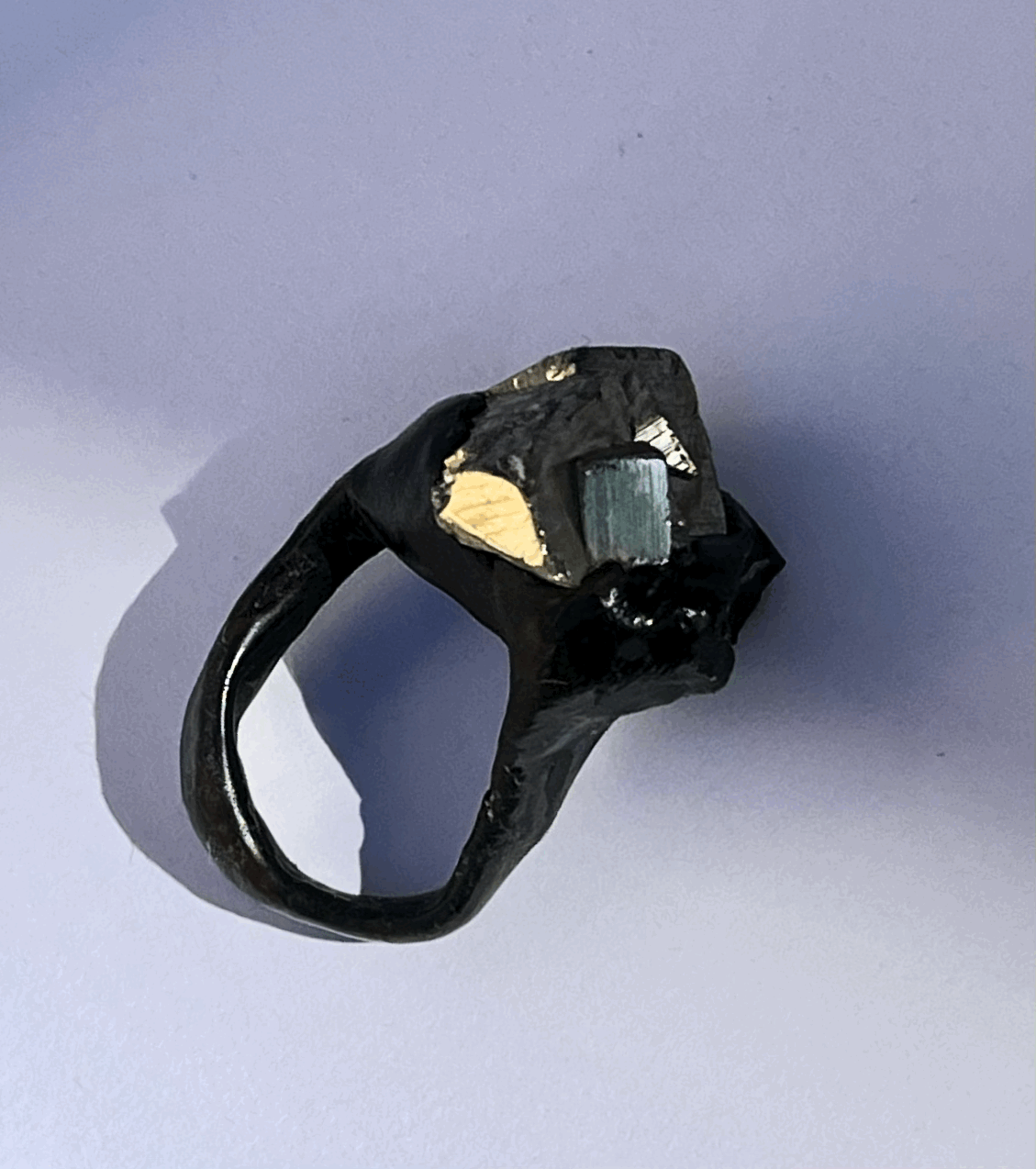 Image 4 of 5
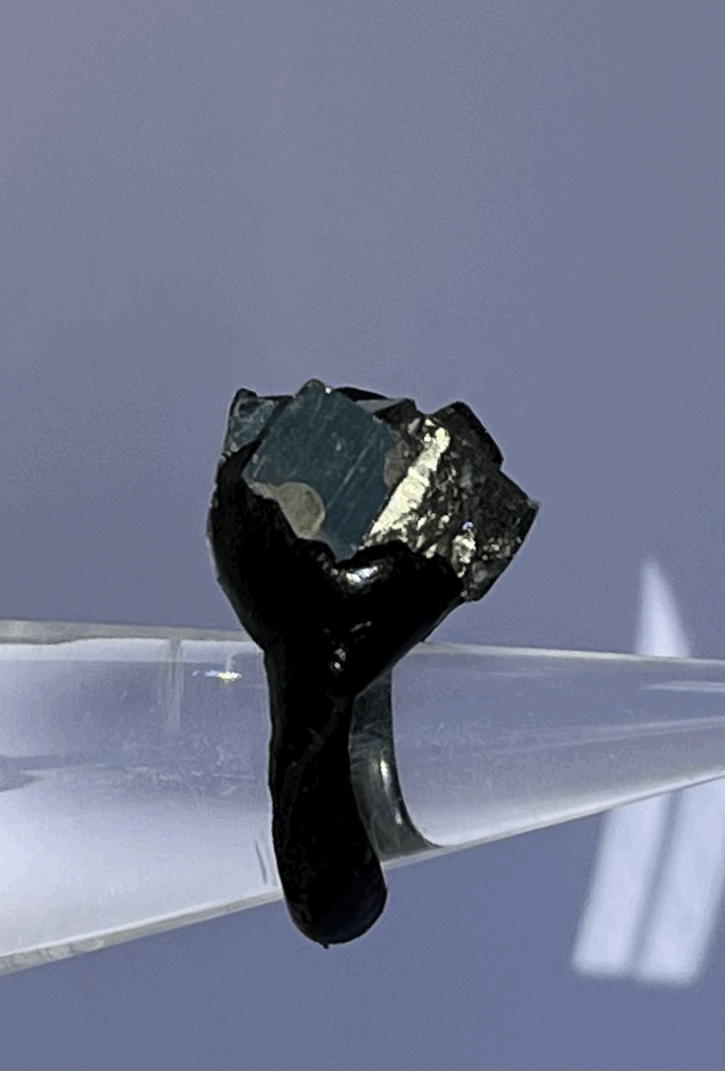 Image 5 of 5
Pyrite, also known as “fool’s gold,” has a color and metallic luster that can make it resemble real gold. Hardness: 6–6.5 on the Mohs scale, making it hard enough to resist scratching from a knife.
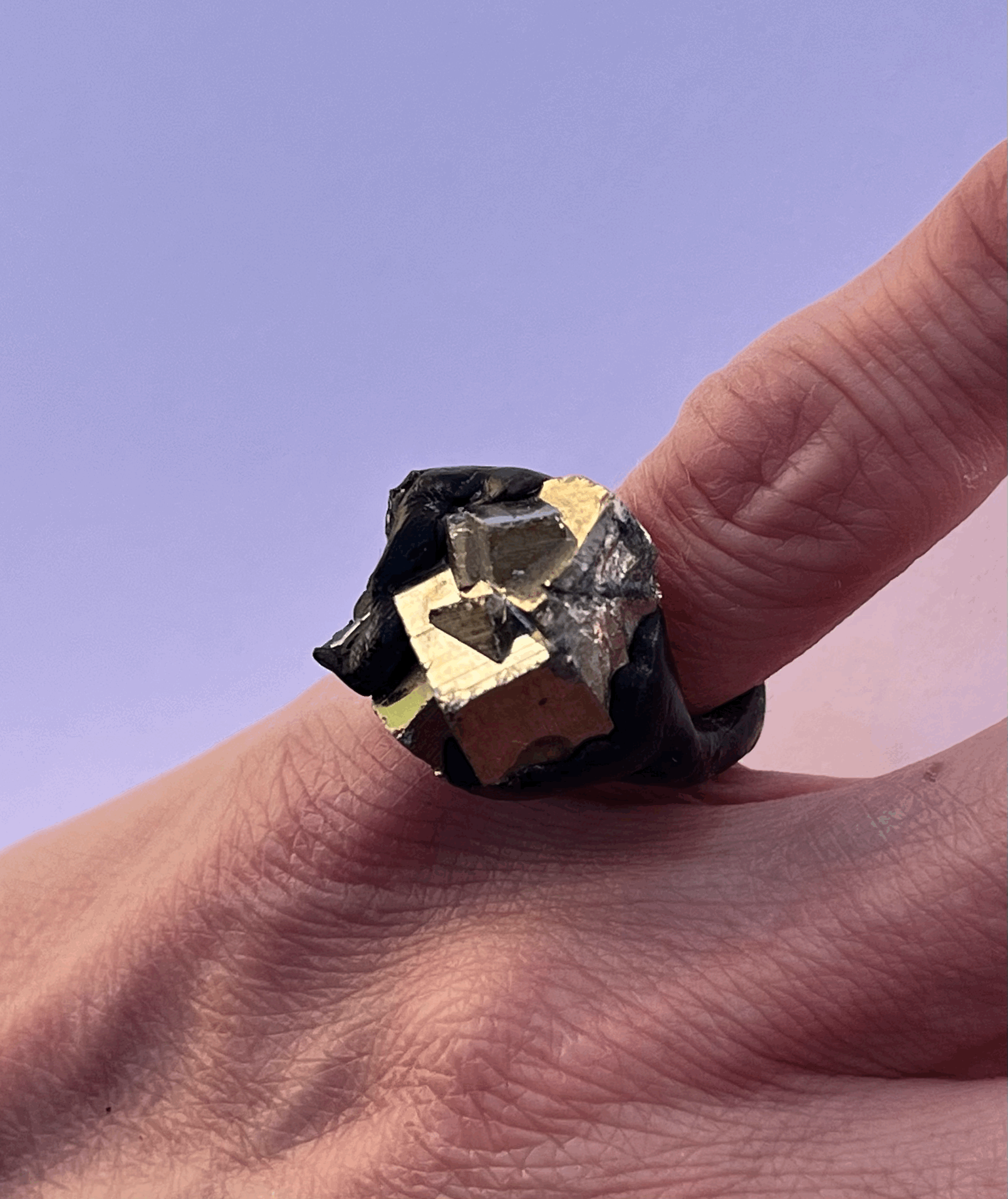
The geometric cubes naturally formed in Pyrite are set into the soft, organic forms of brown Cernit. The name comes from the Greek word pyr (fire), referring to the sparks produced when the stone is struck against metal.
The ring catches the light in its own deep natural way.
Pyrite is known as a stone of action, vitality, and manifestation. It links to fire energy, boosts willpower, and helps clear negative energy
Pyrite, also known as “fool’s gold,” has a color and metallic luster that can make it resemble real gold. Hardness: 6–6.5 on the Mohs scale, making it hard enough to resist scratching from a knife.
The geometric cubes naturally formed in Pyrite are set into the soft, organic forms of brown Cernit. The name comes from the Greek word pyr (fire), referring to the sparks produced when the stone is struck against metal.
The ring catches the light in its own deep natural way.
Pyrite is known as a stone of action, vitality, and manifestation. It links to fire energy, boosts willpower, and helps clear negative energy